
Critical Maintenance Issues Every Landlord and Tenant Should Know
Rental properties require constant vigilance to keep tenants safe and systems running smoothly. From faulty electrical wiring to aging water heaters, maintenance hazards can lead to property damage, injuries, and significant liability. Understanding these common hazards and addressing them proactively is essential for protecting both your investment and your tenants. Professional San Jose property management services provide the expertise and systematic inspections needed to identify and resolve these issues before they become emergencies.
⚡Electrical Hazards
Electrical problems are among the most dangerous maintenance issues in rental properties. Many older homes in San Jose were built decades ago with electrical systems that weren't designed for today's power demands. Overloaded circuits, outdated wiring, and improper installations can lead to fires, electrocution, and serious injuries.
Common electrical hazards include:
- Outdated wiring: Knob-and-tube or aluminum wiring common in older homes
- Overloaded circuits: Too many devices plugged into outlets or power strips
- Missing or non-functioning GFCI outlets: Required in bathrooms, kitchens, and outdoor areas
- Exposed wiring: Damaged outlets, switches, or junction boxes
- Improper DIY repairs: Unlicensed electrical work that doesn't meet code
- Faulty breaker panels: Panels that frequently trip or show signs of burning
⚠️ Critical Risk: Electrical fires can spread rapidly and cause catastrophic damage. According to the National Fire Protection Association, electrical failures are a leading cause of home fires. Landlords can face severe liability if injuries or deaths occur due to known or negligently overlooked electrical hazards.
✓ Prevention: Experienced San Jose property management companies schedule regular electrical inspections by licensed electricians, especially for older properties. They ensure all work meets current code requirements and address issues immediately when tenants report flickering lights, buzzing outlets, or tripped breakers.
🔥Water Heater Dangers
Water heaters are essential appliances that most people take for granted—until they fail. These units can pose serious safety risks including explosions, carbon monoxide poisoning (for gas units), scalding water, and extensive water damage from leaks or ruptures.
Water heater hazards to watch for:
- Age of the unit: Most water heaters last 8-12 years; older units are at high risk of failure
- Missing or faulty pressure relief valve: Can cause tank explosions if pressure builds
- Improper temperature settings: Too hot (scalding risk) or too low (bacteria growth)
- Sediment buildup: Reduces efficiency and can cause tank failure
- Gas line issues: Leaks or improper venting leading to carbon monoxide
- Corrosion and rust: Signs the tank may be ready to rupture
- Poor installation: Incorrect seismic strapping or clearance violations
⚠️ Explosive Risk: A water heater explosion can destroy property and cause serious injuries or death. Additionally, a ruptured water heater can release 40-50 gallons of water into your property, causing tens of thousands of dollars in water damage within minutes.
Carbon Monoxide Warning: Gas water heaters that are improperly vented or have blocked flues can release deadly carbon monoxide into living spaces. All rental properties with gas appliances should have working carbon monoxide detectors on every floor.
Professional San Jose property management teams maintain detailed records of water heater ages, schedule annual flushing and inspection, test pressure relief valves, and plan for replacement before units reach critical failure point.
❄️HVAC System Failures
Heating, ventilation, and air conditioning systems are critical for tenant comfort and health, especially during San Jose's hot summers and cold winter nights. Neglected HVAC systems don't just fail to heat or cool properly—they can create serious health hazards and safety risks.
HVAC hazards include:
- Dirty or clogged filters: Reduce air quality and system efficiency
- Refrigerant leaks: Environmental hazard and health risk
- Cracked heat exchangers: Can leak carbon monoxide into the home
- Blocked or dirty ducts: Spread allergens, mold, and contaminants
- Faulty thermostats: Lead to extreme temperatures and discomfort
- Electrical issues in AC units: Fire hazards and system failures
- Frozen coils: Indicate drainage or airflow problems
⚠️ Health and Safety: A malfunctioning furnace with a cracked heat exchanger can pump carbon monoxide throughout the home. Poor ventilation and dirty systems can trigger asthma, allergies, and respiratory illnesses, particularly affecting children and elderly tenants.
Liability Alert: During extreme weather, HVAC failures can create habitability issues. California law requires landlords to provide adequate heating, and San Jose's hot summers make air conditioning increasingly important. Delayed repairs can lead to tenants withholding rent or claiming health impacts.
Regular maintenance is key. HVAC systems should be serviced twice annually—before the heating season and before the cooling season. This includes filter changes, coil cleaning, refrigerant level checks, and combustion safety testing for gas furnaces.
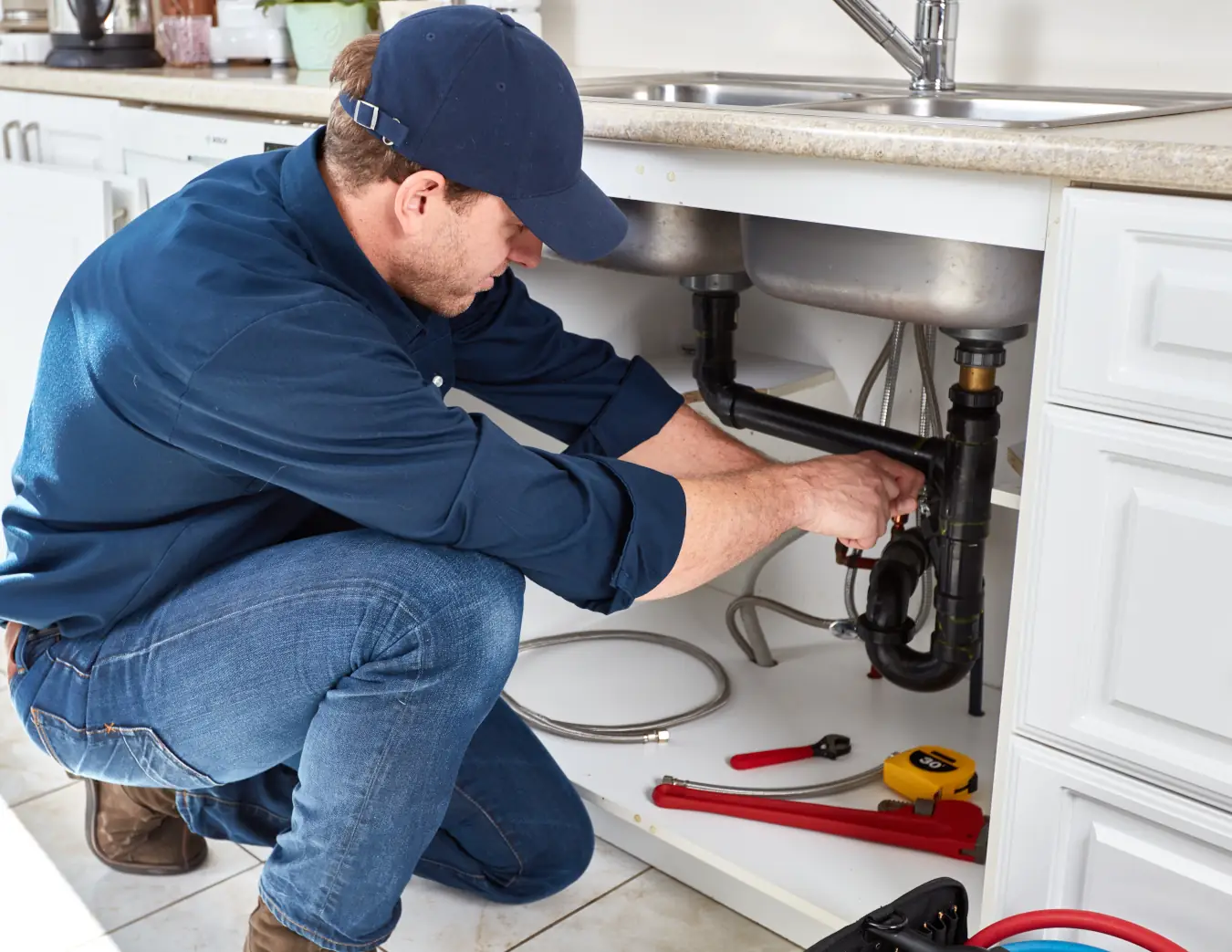
💧Plumbing and Water Damage Risks
Plumbing problems range from minor annoyances to catastrophic failures that cause tens of thousands of dollars in damage. Water is incredibly destructive to building materials, and even small leaks can lead to mold growth, structural damage, and health hazards.
Critical plumbing hazards:
- Hidden pipe leaks: Inside walls or under slabs, causing damage before detection
- Aging galvanized pipes: Prone to corrosion and rupture in older homes
- Sewer line backups: Health hazard and major property damage
- Toilet wax ring failures: Water damage to subfloors and ceilings below
- Supply line failures: Washing machine, dishwasher, and refrigerator hoses
- Poorly maintained garbage disposals: Can cause clogs and backups
- Water pressure issues: Too high can damage fixtures and pipes
⚠️ Mold and Health Risks: Water damage that isn't addressed within 24-48 hours can lead to mold growth. Toxic mold exposure can cause serious health problems and result in massive remediation costs and potential lawsuits. Some tenants have successfully sued landlords for mold-related health issues, winning substantial settlements.
Professional San Jose property management services respond immediately to water leaks, maintain relationships with 24/7 emergency plumbers, and conduct regular inspections of accessible plumbing to catch problems early. They also educate tenants on what to watch for and how to report issues promptly.
🔥Fire Safety Equipment Failures
Working smoke detectors, carbon monoxide detectors, and fire extinguishers are not optional—they're required by law and can save lives. Yet these critical safety devices are often neglected until it's too late.
Fire safety hazards include:
- Dead or missing smoke detector batteries: Rendering detectors useless
- Expired smoke detectors: Units older than 10 years should be replaced
- Insufficient detector coverage: Required in each bedroom, outside sleeping areas, and on every floor
- Missing carbon monoxide detectors: Required in homes with gas appliances or attached garages
- Expired or missing fire extinguishers: Should be accessible and inspected annually
- Blocked fire exits: Windows that won't open or blocked egress paths
⚠️ Life-Threatening Consequences: Most fire deaths occur at night when people are sleeping. Working smoke detectors cut the risk of dying in a home fire by half. Carbon monoxide is an odorless, invisible killer—detectors are the only way to detect it. Landlords who fail to maintain these devices face not only civil liability but potential criminal charges if deaths occur.
✓ Best Practice: Schedule annual inspections and battery replacements for all smoke and carbon monoxide detectors. Test units during routine property inspections and replace batteries every time a unit is vacated. Keep detailed records of all inspections and replacements.
🏚️Structural and Foundation Issues
While less immediately obvious than a burst pipe or electrical fire, structural problems can pose serious safety risks and lead to catastrophic failures. Foundation issues, roof damage, and deteriorating structures require immediate attention.
Structural hazards to monitor:
- Foundation cracks and settling: Can worsen during earthquakes or heavy rains
- Roof leaks and deterioration: Lead to water damage, mold, and collapse
- Rotted wood framing: From water damage or termite infestation
- Unsafe railings and stairs: Fall hazards that cause injuries
- Cracked or deteriorating chimneys: Fire and collapse risks
- Deteriorating balconies and decks: Can suddenly collapse under weight
Earthquake Considerations: San Jose sits in an earthquake zone. Properties should have proper seismic retrofitting including foundation bolting and cripple wall bracing. Water heaters and tall furniture should be strapped. Unreinforced masonry buildings pose particular danger during seismic events.
🌡️Gas Line and Appliance Hazards
Natural gas is safe when systems are properly maintained, but gas leaks and faulty appliances can lead to explosions, fires, and carbon monoxide poisoning. These hazards require immediate attention and should never be ignored.
Gas-related hazards include:
- Gas line leaks: From corrosion, damage, or poor connections
- Faulty gas appliances: Stoves, dryers, and furnaces with incomplete combustion
- Improper ventilation: Allowing exhaust gases to enter living spaces
- Pilot light issues: Frequent outages indicating a problem
- Cracked or damaged gas connectors: Behind stoves and dryers
- Blocked flues or chimneys: Trapping dangerous gases indoors
⚠️ Explosion Risk: Gas leaks can lead to devastating explosions that destroy entire buildings. Even small leaks accumulating in confined spaces can ignite from a spark, pilot light, or electrical switch. If tenants smell gas (a rotten egg odor), they should evacuate immediately and call the gas company and emergency services.
Experienced San Jose property management professionals ensure annual inspections of all gas appliances, immediate response to any gas odor reports, and proper ventilation testing. They also educate tenants about recognizing and reporting gas leak signs.
Don't Let Maintenance Hazards Endanger Your Tenants or Investment
Professional property management provides systematic inspections, preventive maintenance, and rapid emergency response to protect everyone. From electrical safety to HVAC maintenance, experienced managers know what to look for and how to address problems before they become disasters.
Your tenants' safety and your property's value depend on it.
This article provides general information about property maintenance hazards and does not constitute professional advice. Always consult with licensed contractors, inspectors, and legal professionals regarding specific property issues and safety concerns.